

Inland Rail | Supplier Capability Development Program
The ARTC Inland Rail Skills Academy is partnering with Deborah Wilson Consulting Services to facilitate a ‘Pathways to Opportunities’ capability building program for businesses along the Albury to Parkes section of Inland Rail in Southern New South Wales (NSW).

The ARTC Inland Rail Skills Academy is partnering with Deborah Wilson Consulting Services to facilitate a ‘Pathways to Opportunities’ capability building program for businesses along the Albury to Parkes section of Inland Rail in Southern New South Wales (NSW). The program, which will run over a nine month period, will help regional businesses understand how to engage with buyers, prepare compliant tender submissions, and manage contracts for work on major projects and within regional supply chains.
Applications close on 10 July 2023.
Upgrades to safeguard transmission sites during natural disasters
The $20 million Broadcasting Resilience Program (BRP) will keep communities in rural and regional Australia informed and connected during natural disasters by increasing the resilience of ABC broadcast sites across the country.
Media Release from The Hon Michelle Rowland MP, Minister for Communications
The Albanese Government will improve the resilience of 107 ABC radio sites used for emergency broadcasting which are at a higher risk of service failure due to natural disasters.
The $20 million Broadcasting Resilience Program (BRP) will keep communities in rural and regional Australia informed and connected during natural disasters by increasing the resilience of ABC broadcast sites across the country.
The national backbone of rural and regional broadcasting is provided by BAI Communications who will deliver the work program over the next three years to:
establish 55 new emergency power systems (e.g. battery and diesel backup) at ABC Local Radio sites;
deliver backup program inputs (e.g. satellite input) for 77 ABC Local Radio sites to quickly re-establish broadcast services;
deliver civil and infrastructure upgrades to 10 ABC AM sites in areas susceptible to flooding; and
supply five rapid recovery assets that can be rapidly deployed anywhere in Australia during a natural disaster or other significant event.
The upgrades on these sites – including multiple types of upgrade on a single site – will also have a wide range of additional benefits to other service providers who are co-located on many BAI sites including commercial broadcasters, telecommunications providers and state and territory emergency services.
This announcement is in addition to the $50 million Telecommunications Disaster Resilience Innovation (TDRI) program and the $15 million Mobile Network Hardening Program previously announced by the Albanese Government. Both programs are part of the Albanese Government’s $656 million Better Connectivity Plan for Regional and Rural Australia funded in the October 2022 Budget.
The 2020 Royal Commission on National Natural Disaster Arrangements Final Report acknowledged the important role played by broadcast media in the coverage of emergency warnings and information to the community during the 2019-20 bushfire season and identified disruptions to power supply as a significant vulnerability. The BRP ultimately aims to improve the preparedness of these sites and infrastructure on it against increasing natural disasters.
The Liberal National Coalition had years to act on proposals to harden broadcast transmissions sites to improve safety for communities in rural and regional Australia, but did nothing.
For more information on the Better Connectivity Plan visit https://www.infrastructure.gov.au/media-communications-arts/better-connectivity-plan-regional-and-rural-australia

Multicultural NSW Settlement Strategy
The NSW Settlement Strategy brings together existing and new NSW Government initiatives to improve settlement outcomes for people from refugee and refugee-like backgrounds living in NSW.

The NSW Settlement Strategy brings together existing and new NSW Government initiatives to improve settlement outcomes for people from refugee and refugee-like backgrounds living in NSW.
The NSW Settlement Strategy provides a framework for the NSW Government to:
have a shared understanding of what successful settlement means
continue to deliver services and programs that are working well
collaboratively address areas for attention
evaluate and apply learnings to improve settlement outcomes in NSW.
The NSW Settlement Strategy will be implemented by the NSW Government from February 2023 to June 2025. The Action Plan will complement and strengthen programs and initiatives underway in NSW that are led by the Commonwealth Government and non-government sector.
The full strategy is available in english here.
The NSW Settlement Strategy Summary is available in 17 languages here.
Sustainable aviation fuels set for take-off
A homegrown sustainable aviation fuel (SAF) industry could help decarbonise the hard-to-abate aviation sector and create thousands of regional jobs, with grants backed by the Albanese Government.
The Australian Renewable Energy Agency (ARENA) will invest $30 million to support development of domestic SAF production from agricultural feedstocks.

Media Release from The Hon Catherine King MP, Minister for Infrastructure, Transport, Regional Development and Local Government
A homegrown sustainable aviation fuel (SAF) industry could help decarbonise the hard-to-abate aviation sector and create thousands of regional jobs, with grants backed by the Albanese Government.
The Australian Renewable Energy Agency (ARENA) will invest $30 million to support development of domestic SAF production from agricultural feedstocks.
The global air transport industry is committed to net-zero by 2050, but low SAF production and high prices are standing in the way.
ARENA’s 2021 Bioenergy Roadmap found a local bioenergy industry could contribute around $10 billion in extra GDP by 2030, supporting more than 26,000 new jobs.
Grants for engineering studies or pilot programmes across the supply chain, from agricultural feedstock supply to final fuel production, will fast track development of a local industry in regional Australia.
Minister for Climate Change and Energy Chris Bowen said SAF presented a huge opportunity for Australia.
“The world’s climate emergency is Australia’s jobs opportunity, and this is true for the aviation industry which is looking to reduce emissions - a homegrown sustainable aviation fuels industry could create more than 7,400 jobs by 2030, most of them in regional areas,” Minister Bowen said.
“Australia’s strong agricultural sector means we could be a global leader by scaling up domestic production of renewable fuel for exports, which could help reduce global aviation emissions significantly.
“This investment means the beginning of airlines being able to source their fuel from a variety of sources and decrease our dependence on importing fuels from overseas.
Minister for Infrastructure, Transport, Regional Development and Local Government Catherine King said Australia both had the need and resources to support a SAF industry.
“With our population spread across an entire continent, aviation is often the only viable option for freight and passenger transport, and a domestic SAF industry can help transition the domestic industry,” Minister King said.
“And with enormous volumes of tallow and canola oil currently shipped offshore due to attractive incentives offered by other governments, there is huge potential for Australia to become a sustainable fuels powerhouse.
“The outcomes of the ARENA-backed projects could have huge implications for regional Australia, and we will be closely following them as a government.”
ARENA will open applications for grants by mid-July.
Consultation opens on new laws to tackle online misinformation and disinformation
Public consultation has commenced on a new framework to empower the Australian Communications and Media Authority (ACMA) to hold digital platforms to account for harmful misinformation and disinformation online.

Media Release from The Hon Michelle Rowland MP, Minister for Communications
Public consultation has commenced on a new framework to empower the Australian Communications and Media Authority (ACMA) to hold digital platforms to account for harmful misinformation and disinformation online.
These proposed powers will bring greater transparency to efforts by digital platforms to respond to misinformation and disinformation on their services, while balancing freedom of expression which is at the heart of democracy.
The release of exposure draft legislation gives industry and the community the opportunity to review proposed ACMA information-gathering, record-keeping, code registration and standard-making powers to compel digital platforms to do more to protect Australians from the threat of online misinformation and disinformation.
The draft framework focuses on systemic issues which pose a risk of harm on digital platforms. It does not empower the ACMA to determine what is true or false or to remove individual content or posts. The code and standard-making powers will not apply to professional news content or authorised electoral content.
Platforms will continue to be responsible for the content they host and promote to users. If platforms fail to act to combat misinformation and disinformation over time, the ACMA would be able to draw on its reserve powers to register enforceable industry codes with significant penalties for non-compliance, or create a standard requiring platforms to lift the bar on their efforts.
Codes or standards could include measures such as stronger tools to empower users to identify and report misinformation and disinformation, ensure more robust complaints handling, and enable more extensive use of fact checkers.
The proposed powers implement the key recommendations in the ACMA’s June 2021 report to government on the adequacy of digital platforms’ disinformation and news quality measures. The powers build upon and are intended to strengthen and support the voluntary code developed by the Digital Industry Group Inc. (DIGI).
Public consultation will close on Sunday, 6 August, with legislation to be introduced into Parliament later this year.
To find out more and have your say, visit www.infrastructure.gov.au/have-your-say
ACCC looking for fixed wireless customers to take part in Australia's leading study on internet performance
The ACCC are looking for customers on fixed wireless plans to sign up to be part of Australia's leading study on internet performance.

Help regional consumers choose the best broadband services
Since 2018, the Australian Competition and Consumer Commission (ACCC) has run the Measuring Broadband Australia program which enables consumers, industry and policymakers to better understand how Australians are experiencing internet performance, including download speeds and reliability, in their homes.
The ACCC are looking for customers on fixed wireless plans to sign up to be part of Australia's leading study on internet performance.
Using global internet performance monitoring platform, SamKnows, the ACCC are collecting and analysing broadband data to help consumers all over Australia understand drivers of variable network performance and empowering informed discussions with internet providers.
The ACCC would like to understand how your fixed wireless household streams, games, surfs and searches to help us better measure internet performance in regional Australia.
To participate in Australia's leading study on internet performance you can:
Sign up
If selected, receive your SamKnows Whitebox in the mail
Plug the Whitebox into your router
Sit back and let the Whitebox measure your internet performance.
Tests are run when you’re not using your connection, so that it doesn’t disrupt your service. Your internet usage is not monitored by the Whitebox.
Not only will you be helping to monitor Australian broadband performance, but the SamKnows Whitebox allows you to track the performance of your service.
SamKnows will even send a handy summary of your internet performance each month and let you know if anything needs your attention.
Australian Forest Products Association (AFPA) welcomes new forest partnership
The Australian Forest Products Association (AFPA) welcomes Agriculture Minister Murray Watt’s announcement establishing a new Strategic Forest and Renewable Materials Partnership to work with the Albanese Government on issues facing the forest products sector, Chief Executive Officer of AFPA Joel Fitzgibbon said recently.

The Australian Forest Products Association (AFPA) welcomes Agriculture Minister Murray Watt’s announcement establishing a new Strategic Forest and Renewable Materials Partnership to work with the Albanese Government on issues facing the forest products sector, Chief Executive Officer of AFPA Joel Fitzgibbon said recently.
Co-chaired by AFPA Chair Diana Gibbs and CFMEU Manufacturing Secretary Michael O’Connor, the Partnership aims to help the Government achieve its own goals around climate, the environment, and sovereign capability through engagement with all relevant stakeholders.
A total of 15 representatives from across industry, unions, indigenous, environmental and other stakeholder groups will sit on the Strategic Partnership to advise, consult and cooperate with the Government on plans to ensure the sector realises its full potential and to further enhance its role in addressing climate change and building sovereign capability in the resourcing and manufacture of sustainable and renewable timber and wood fibre products.
“Today I thank the Government and Minister Watt for fulfilling a key pre-election commitment by announcing this new Strategic Partnership. With the right strategy and government guidance, the forest products sector can employ more people, make a larger contribution to the economy, make more things here and play an even greater role in addressing the climate change,” Joel Fitzgibbon said on May 24th.
AFPA Chair Diana Gibbs also welcomed the collaboration the Strategic Partnership will provide.
“This is an exciting opportunity for all voices to support the important role of the forest products sector in Australia’s future. Not just of course for the climate and achieving sovereign capability, but also in providing employment and value-adding in the regions,” Diana Gibbs said.
“I truly believe we have a key role providing sustainable products to replace plastics and carbon intensive building materials and it will be exciting to get the Partnership operating to help achieve the outcomes we all need,” Diana Gibbs concluded.
Regional Australia Institute releases The Big Skills Challenge report
Regional job vacancies grew three times faster than metropolitan Australia at the end of 2022, with supply struggling to keep up with demand.

Regional job vacancies grew three times faster than metropolitan Australia at the end of 2022, with supply struggling to keep up with demand.
The RAI’s latest report, Regional Jobs 2022: The Big Skills Challenge, identifies the biggest gaps in critical roles. Regional vacancies for Medical Practitioners and Nurses represent almost half of the total national vacancies for this occupation grouping, despite regional Australia representing only one-third of the national population.
Regional Jobs 2022: The Big Skills Challenge, identifies the top four most in-demand online advertised roles across regional Australia for December. These include:
Medical Practitioners and Nurses – 6,166
General Inquiry Clerks, Call Centre Workers and Receptionists – 5,941
Carers and Aides – 5,416
Sales Assistants and Salespersons – 4,527
Regional Australia to benefit from uncapped satellite broadband
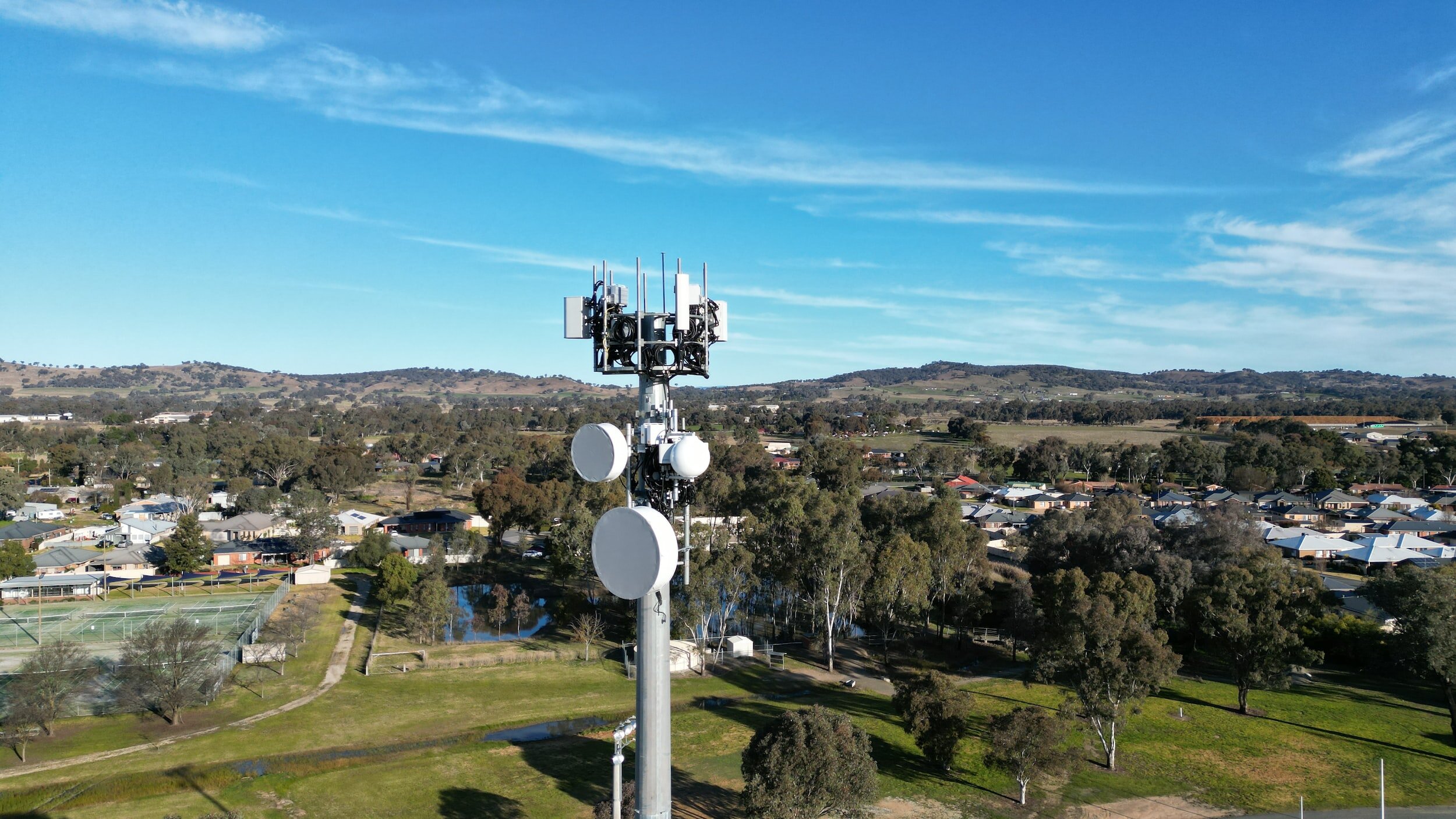
Thousands of Australians living in regional and rural Australia can order uncapped satellite broadband services from today, following a successful trial of NBN Co’s new Sky Muster Plus product to boost internet speeds in the bush.
Media release from The Hon Michelle Rowland MP, Minister for Communications
Thousands of Australians living in regional and rural Australia can order uncapped satellite broadband services from today, following a successful trial of NBN Co’s new Sky Muster Plus product to boost internet speeds in the bush.
The new Sky Muster Plus Premium service will provide customers with unmetered data 24 hours a day and faster speeds of up to 100 Mbps.
The service responds to increasing demand for more data and faster speeds from satellite users caused by the growing use of video streaming, and people working and studying from home.
The product launch follows a trial over 10,000 Sky Muster Plus customers earlier this year that reported greater user satisfaction when customers could access increased evening speeds and uncapped data.
The unmetered service has been enabled by the Albanese Government’s $480 million investment to upgrade NBN Fixed Wireless services that is moving around 120,0000 premises from satellite to fixed wireless, freeing up capacity on Sky Muster.
The launch of the new product complements the Albanese Government’s commitments to improving NBN technologies in regional areas, including by investing $2.4 billion to expand full-fibre NBN to an additional 1.5 million premises – 660,000 of which will be in regional areas.
Further information about the new product is available at www.nbn.com.au/skymusterplus.
Free online forums for regional, rural and remote allied health professionals
Charles Sturt University’s Three Rivers Department of Rural Health is offering a series of free online forums for regional, rural and remote allied health professionals.

Charles Sturt University’s Three Rivers Department of Rural Health is offering a series of free online forums for regional, rural and remote allied health professionals.
These free online forums are blue-sky thinking on how to transform allied health education to meet the current and future workforce and service needs of regional, rural and remote government, not-for-profit, and private organisations.
The forums are for allied health professionals, from new graduates to very experienced, and their managers who provide services to people living in regional, rural and remote areas.
These one-hour online forums are facilitated by staff in the Charles Sturt University School of Allied Health, Exercise and Sports Sciences and funded by the Three Rivers Department of Rural Health.
These forums will explore your perspective on:
Changes needed in allied health education to meet contemporary and future needs
How government, not-for-profit and private agencies can collaborate in the education of allied health students
How agencies and universities can collaborate, e.g. continuing professional development, research, conjoint positions
Providing students with high-quality practice experiences that will also benefit the agencies and communities.
The forums will be held online between Tuesday 13th June and Friday 23rd June at various times.
Business Connect offers Free Business Health Checks
Enterprise Plus, through the NSW Government funded Business Connect program, in conjunction with local and regional stakeholders, is offering small business owners the opportunity of a Free Business Health Check!

Enterprise Plus, through the NSW Government funded Business Connect program, in conjunction with local and regional stakeholders, is offering small business owners the opportunity of a Free Business Health Check! June is the perfect time to commit to making positive changes to improve the performance of your business next financial year. Engage with a professional and experienced business advisor and fine tune your strategic priorities!
Business Health Checks start in Hay on the 7th June and finish in Nowra on the 29th August.
Expressions of Interest open for connected machinery suppliers to participate in On Farm Connectivity Program
Organisations which supply connected machinery and connectivity equipment for primary producers are encouraged to submit an Expression of Interest (EOI) to participate in the Albanese Government’s new On Farm Connectivity Program (OFCP).

Media Release from the Hon Michelle Rowland MP, Minister for Communications
Organisations which supply connected machinery and connectivity equipment for primary producers are encouraged to submit an Expression of Interest (EOI) to participate in the Albanese Government’s new On Farm Connectivity Program (OFCP).
The $30 million OFCP, which was funded through the October 2022-23 Federal Budget, will enable primary producers in agriculture, forestry and fisheries to extend connectivity further onto their properties, and take advantage of connected machinery and sensor technology to make the sector more efficient.”
The EOI process will create a list of suppliers who will participate in the program. These suppliers will be eligible for a rebate of between $3,000 and $30,000, offsetting 50 per cent of the cost of equipment purchased by primary producers.
Rebates will be available for a wide range of technology including external antennas, repeaters, boosters, sensors, automated tank systems and pump controllers, animal movement tags and relevant installation and training costs.
Rebates to fund connected machinery upgrades will provide a significant boost to these producers and will help drive growth in the sector.
The OFCP is part of the Albanese Government’s $656 million Better Connectivity Plan for Regional and Rural Australia. The Plan is funding additional rounds of the Regional Connectivity Program, the Mobile Black Spots Program, and extending eligibility for Peri Urban Mobile Program.
The Expression of Interest is available from the Department’s website at www.infrastructure.gov.au/media-communications-arts/better-connectivity-plan-regional-and-rural-australia. Expressions of Interest will be open for four weeks, and close on 5 July 2023.
Tourism Research Australia releases State of the Industry 2022 Report
TRA has now published the State of the industry 2022 report. This annual report presents a snapshot of Australia’s visitor economy in 2022.

TRA has now published the State of the industry 2022 report. This annual report presents a snapshot of Australia’s visitor economy in 2022.
The pandemic had a major impact on the visitor economy. In 2022, the recovery gained momentum and broadened across a wider range of segments. International visitation increased strongly, off an extremely low level. Domestic travel demand also improved, and domestic visitor spend rose above its pre-pandemic level.
RDA Riverina and NSW Government promote the Riverina to Western Sydney migrants
RDA Riverina, in collaboration with the NSW Government Growing Regions of Welcome pilot program, has produced a flyer highlighting the benefits of moving to the Riverina.

RDA Riverina, in collaboration with the NSW Government Growing Regions of Welcome pilot program, has produced a flyer highlighting the benefits of moving to the Riverina.
The flyer is targeted at migrants currently living in Western Sydney.
The flyer highlights the job opportunities, lifestyle benefits, welcoming communities and assistance available through the pilot program, operating in the Leeton Shire Council and Temora Shire Council areas.
For more information about the pilot program, contact Jay, our NSW GROW Riverina Backbone Coordinator, at coordinator@rdariverina.org.au.
Australian Forest Products Association (AFPA) welcomes China's decision to lift ban on log trade
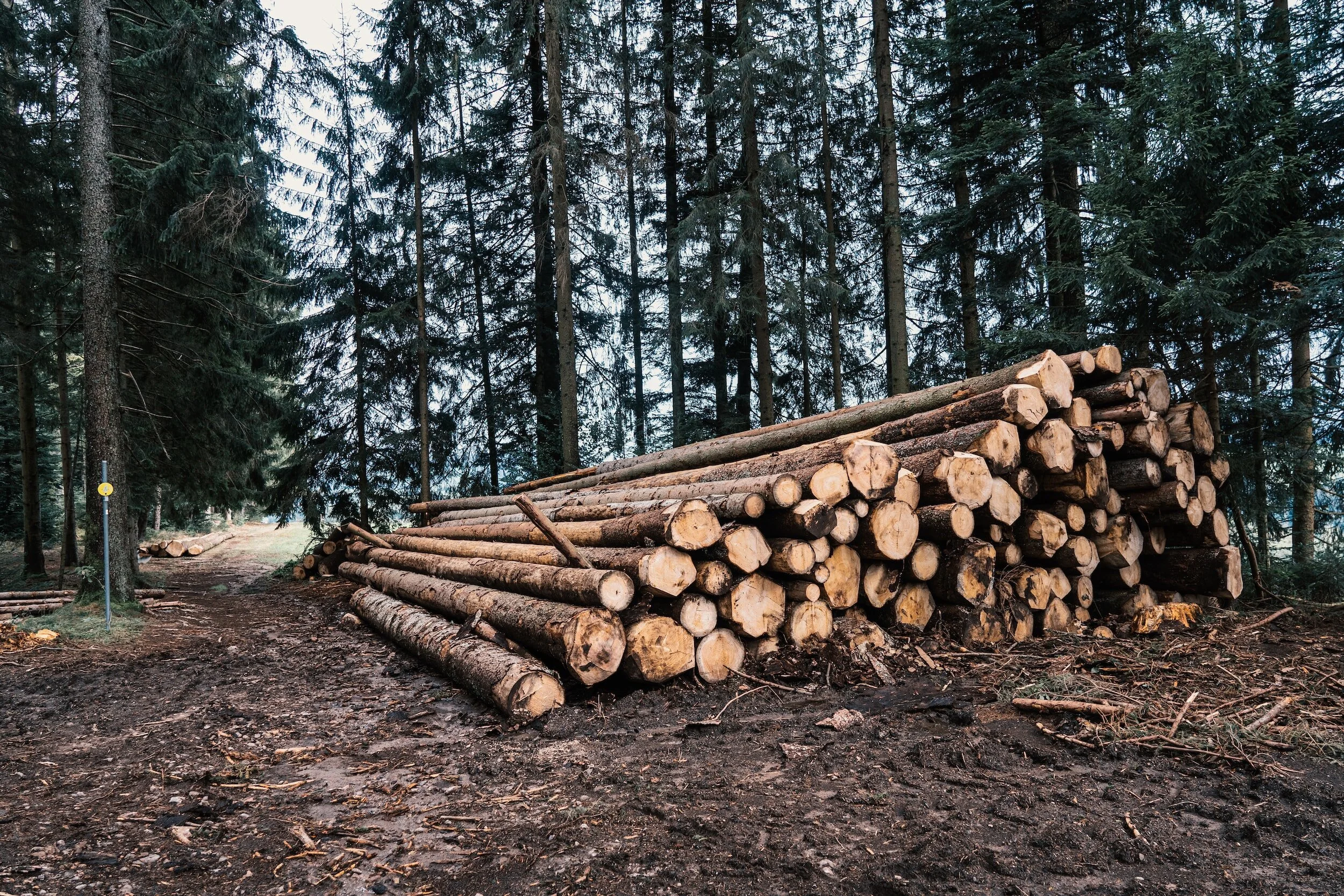
The Australian Forest Products Association (AFPA) welcomes China’s decision to lift its quarantine ban on timber logs that has been in place for more than two years, Chief Executive Officer of AFPA Joel Fitzgibbon said today.
Media Release from AFPA 23rd May 2023
The Australian Forest Products Association (AFPA) welcomes China’s decision to lift its quarantine ban on timber logs that has been in place for more than two years, Chief Executive Officer of AFPA Joel Fitzgibbon said today.
“We welcome the news of China’s decision to lift its quarantine ban that will allow the export trade of timber logs to resume. China has been and will continue to be an important market for Australian timber and wood fibre export products. When the ban came into effect more than two years ago it caused a great deal of upheaval and uncertainty for many timber exporters and the broader forest sector and this resolution is welcomed,” Joel Fitzgibbon said.
“AFPA and log exporters have worked closely with the Albanese Government, especially Trade Minister Don Farrell, and the former Coalition Government on this issue, and we thank them for their efforts helping to resolve the quarantine issues that China faced importing logs from Australia.”
China voiced phytosanitary concerns and the Commonwealth worked on a range of measures including increased inspections of log consignments, monitoring during fumigation, re-inspections after fumigation and increased audits for all log exporters.
“I look forward to normalisation of trade relations with regards to the timber log trade and AFPA will work closely with our impacted members, other stakeholders and the Commonwealth to ensure a smooth transition back to normal trade following today’s decision,” Joel Fitzgibbon concluded.
Temporary Skilled Migration Income Threshold Raised to $70,000
The Albanese Government will increase the Temporary Skilled Migration Income Threshold (TSMIT) from $53,900 to $70,000 from July 1.

Joint media release between The Hon Clare O’Neil MP, Minister for Home Affairs, and The Hon Andrew Giles MP
The Albanese Government will increase the Temporary Skilled Migration Income Threshold (TSMIT) from $53,900 to $70,000 from July 1.
Frozen since 2013, around 90% of all full-time jobs in Australia are now paid more than the current TSMIT, undermining Australia’s skilled migration system.
The new $70,000 income threshold is approximately where the TSMIT should have been if it had been properly indexed over the previous 10 years.
This is the Government’s first action in response to the independent Review of the Migration System led by Dr Martin Parkinson, which found that Australia’s migration system is broken.
The Albanese Government is also announcing that by the end of 2023, Temporary Skill Shortage (TSS) short stream visa holders will have a pathway to permanent residency within our existing capped permanent program.
This will provide employers and migrants with more certainty, and will help increase the skill level in our permanent skilled program.
Together, these two measures announced fulfil important election commitments to increase the TSMIT and expand pathways to permanent residence.
Budget drives road safety in the right direction
The Albanese Government has continued to listen to the concerns of road safety experts and stakeholders in the formulation of the new National Road Safety Action Grants Program (NRSAGP).

Media Release from Senator the Hon Carol Brown, Assistant Minister for Infrastructure and Transport
The Albanese Government has continued to listen to the concerns of road safety experts and stakeholders in the formulation of the new National Road Safety Action Grants Program (NRSAGP).
The new program was announced in last week’s Budget, along with the commitment of the continual delivery of the Road Safety Program over the next two years.
The NRSAGP has been established to provide grant funding to programs and initiatives which assist in the Australian Government’s commitment to Vision Zero and supports the policy objectives set out in the National Road Safety Strategy 2021-2030 and National Road Safety Action Plan 2023-25.
The NRSAGP will deliver $43.6 million over four years from 2022-23 to support data collection, community education and awareness, First Nations road safety, vulnerable road users, technology, innovation and research.
Providing funding which is underpinned by measurable actions was something stakeholders from across the road safety field called for from the former Government.
The Albanese Government is delivering on this request through the Action Plan and by extension, the NRSAGP.
The Action Plan has been agreed to by transport ministers from each state and territory, as well as the Australian Local Government Association.
The Action Plan contains over 70 actions which when delivered will assist all Australians in achieving Vision Zero.
The Action Plan is underpinned by nine key priority areas – data, research, infrastructure planning and investment, Aboriginal and Torres Strait Islander people, regional road safety, remote road safety, vehicle safety, heavy vehicle safety, workplace road safety, vulnerable road users and risky road use.
The Action Plan can be found here. The Australian Government is committed to the improved quality and accessibility of road safety data.
Seeing an improvement in road safety data will strengthen the evidence base for decisions on the most efficient and effective ways to deliver better road safety outcomes.
To support the progression of improving data quality and accessibility, the Australian Government is investing $18.9 million over 3 years from 2023-24 to procure road safety data, research and evaluate projects.
On top of the NRSAGP and funding for data and research, the Australian Government is investing $16.5 million in the Car Safety Ratings Program to improve testing protocols for new light vehicles and provide safety evaluations for used vehicles.
The Australian Government continues to back the Safer Cycling for Safer Roads program conducted by the Amy Gillett Foundation, which is supporting measures to create safer journeys for cyclists by collaborating with local governments across the country.
The Road Safety Program has successfully delivered 1,400 projects to date. The Australian Government will continue funding the Program over the years 2023-24 and 2024-25, with over $976 million to be invested in new life-saving infrastructure upgrades and treatments.
The Australian Government remains committed to investing:
- $500 million for the Roads to Recovery Program
- $110 million per year into the Black Spot Program
- $85 million per year for the Bridges Renewal Program
- $65 million per year for the Heavy Vehicle Safety and Productivity Program
- $18.9 million for transport research organisations and innovation projects
As the cost-of-living bites, city dwellers consider a move to regional Australia
Despite unprecedented mass population growth in the regions over the past three years, new research commissioned by the Regional Australia Institute shows one in five metropolitan Australians are wanting to make the move to regional Australia as a solution.

Younger Australians optimistic by the extensive job opportunities and fast-tracked career growth regional Australia has to offer
Despite unprecedented mass population growth in the regions over the past three years, new research commissioned by the Regional Australia Institute shows one in five metropolitan Australians are wanting to make the move to regional Australia as a solution.
Regional Australia grew by 70,000 people in 2020-2021 due to changing migrations patterns caused by the pandemic1. In 2023, regional migration is up 16% on pre-pandemic levels, despite a small uptick of regional Australians returning to the cities.
According to the study, which surveyed more than 1000 residents in major capital cities, the top three reasons for Aussies wanting to leave the city were to reduce the cost of living, avoid traffic, and minimise stress.
Meanwhile, a sense of space, affordability and improved overall well-being were cited as the main factors attracting city-dwellers to regional Australia.
The data also revealed shifting attitudes towards regional job opportunities, with over a third (35 per cent) viewing salary prospects in the regions on par with the major capital cities.
Younger Australians, aged 18-29 years, were the most optimistic about regional job prospects with nearly half recognising the plethora of professional, skilled and entry-level jobs on offer.
With commuting no longer, a major factor and flexible working arrangements more common, nearly three-quarters (73 per cent) of those surveyed said their ability to work from home has further fuelled the appetite for a move to the regions. However, over half (55 per cent) said they wanted to remain within a two-hour drive of their current city home.
Regional Australia Institute CEO Liz Ritche says regional centres are prepped and primed for Aussies considering the move.
“During the pandemic we saw thousands of Australians make the ‘move to more’, trading the hustle and bustle of the city for a life in the regions,” Ms Ritchie said.
“People are realising a move to regional Australia doesn’t mean compromising your career, income or lifestyle. There are well-paying, professional, skilled and entry-level jobs waiting to be filled in country areas.
“From Toowoomba to Tamworth, Wollongong to Warrnambool, there are dozens of dynamic regional centres ready to welcome city folk with open arms. There’s never been a better time to move to more.”
Steven Wright, Practice Manager for NSW Legal Aid, recently moved from Sydney to Broken Hill and says the decision to ‘go bush’ has dramatically progressed his career.
“The career progression has been incredible. Out here in Broken Hill, I’ve been given more responsibilities and been exposed to greater challenges,” said Mr Wright.
“The shared experience of living in a remote town connects people in a way that’s incredibly special. I wouldn’t change it for the world.”
To be inspired by the stories of Steven and other Aussies who’ve #MadeTheMove to regional Australia, visit the Regional Australia Institute’s Move to More website www.movetomore.com.au
Australia's first national Electric Vehicle Strategy to drive cleaner, cheaper to run vehicles
The Albanese Government has released Australia’s first National Electric Vehicle Strategy – a comprehensive roadmap to ensure Australians have a better choice of electric vehicles, and encourage greater use of cleaner, cheaper-to-run vehicles.

Media Release from The Hon Catherine King MP
The Albanese Government has released Australia’s first National Electric Vehicle Strategy – a comprehensive roadmap to ensure Australians have a better choice of electric vehicles, and encourage greater use of cleaner, cheaper-to-run vehicles.
As part of the Strategy and following extensive public consultation, the Government will introduce a Fuel Efficiency Standard, working with industry and the community to finalise details in coming months.
Fuel efficiency standards are standards which outline how much pollution – or specifically, carbon dioxide – a car will produce when it’s running.
More efficient vehicles will produce fewer emissions – meaning their environmental impact is lower, and they are cheaper for motorists to run.
Australia and Russia are among the only developed countries that don’t have fuel efficiency standards.
The absence of a standard has meant Australians households and businesses are missing out on greater choice of car models and paying more in fuel costs to run their cars because manufacturers prioritise sending more efficient vehicles to countries with standards in place.
On average, new cars in Australia use 40 per cent more fuel than the European Union, 20 per cent more than the United States, and 15 per cent more than New Zealand.
Previous analysis has shown that the introduction of a fuel efficiency standard could save motorists $519 per year in fuel costs.
With passenger cars making up almost 10 per cent of Australia’s CO2 emissions, it is an important step to meet our emissions reduction targets.
Fuel Efficiency Standards will only apply to new cars, and not retrospectively, so consumers will still be able to choose they vehicle they want to drive.
Australia also lags far behind other countries in EV sales, with our uptake of EVs around four times lower than the global average.
The Strategy also looks at reducing barriers to electric vehicle uptake, whether it be demand, supply or infrastructure, which is the critical planning that consumers have been crying out for.
Transport is the third largest source of emissions in Australia. This Strategy will help cut our emissions by at least 3 million tonnes of carbon by 2030, and over 10 million tonnes to 2035.
Minister for Climate Change and Energy Chris Bowen said Australian governments, car makers, motoring clubs, climate groups, businesses and unions were all on board with getting cleaner and cheaper cars to Australia
“This strategy delivers on our commitment to provide greater choice for Australians to drive cars that are cleaner and cheaper to run,” Minister Bowen said.
This strategy provides the coordination and leadership to drive down costs and improve infrastructure so–that we get more affordable and accessible electric vehicles on the market.
“The Government has already cut taxes on EVs through the Electric Car Discount, saving up to $11,000 a year on a $50,000 electric vehicle. Thanks to the Albanese Government’s leadership, two and half times more EVs are being sold this year than they were at this time last year.
“Fuel-efficient and electric vehicles are cleaner and cheaper to run – today’s announcement is a win-win for motorists.”
Minister for Infrastructure, Transport, Regional Development and Local Government, Catherine King said the government would introduce fuel efficiency standards that work for Australia’s market.
“This strategy offers an historic opportunity to develop fuel efficiency standards that learn from international best practice, while recognising the unique needs of Australians.
It will send a strong message to the global car industry that when it comes to transport technology, Australia will no longer settle for less,” Minister King said.
“More than 85 percent of all cars sold in the world are subject to fuel efficiency standards. It’s time Australians were offered the same choice.”
Consultation on the design of fuel efficiency standards begins today, and is available through www.cleanercars.gov.au.
Following the consultation, the Government will release its proposed Fuel Efficiency Standard by the end of 2023.
The National Electric Vehicle Strategy is available at https://www.dcceew.gov.au/energy/transport.
New research shows benefits will soar as Australia's drone use takes off
A new research report has found increasing drone use in Australia presents a range of benefits for communities – particularly for regional areas and in emergency relief and disaster management.

Media Release from the Hon Catherine King MP
A new research report has found increasing drone use in Australia presents a range of benefits for communities – particularly for regional areas and in emergency relief and disaster management.
The report, delivered by the national centre for transport and mobility research iMOVE with the University of South Australia as the lead research partner, identifies a number of benefits as well as challenges facing drone uptake across the country.
It also provides an overview of the Australian drone sector, including an international comparison, and assesses the geographic and social drivers behind drone uptake.
The report identifies a number of industries could greatly benefit from increased drone use, including in emergency relief and disaster management, security services, freight, agriculture, last-mile deliveries, recreation and entertainment.
Australia’s emergency services sector is projected to unlock the greatest potential benefits from drones, having a net productivity increase of 10 per cent – resulting in a $460 million net boost to the national economy.
Drones can also lead to savings of between $1-8 billion if used in early fire detection, based on scenario mapping using data from the 2019–20 bushfire season.
Australia’s strong, open economy, combined with its low population density and large rural areas, creates opportunities to unlock further benefits from drone use.
This includes in regional areas, which are predicted to benefit most – particularly as drone technology continues to improve delivery and transport services.
Australia can still expect to face challenges as drone uptake grows. That includes technological limitations, such as battery life and weather resilience, as well as in-air traffic management – particularly ensuring drones aren’t flown in private or restricted areas.
The report’s consumer survey found strong public support for the use of drones in sectors such as emergency services, disaster recovery, security, agriculture and environmental management.
However, some concerns about drone technology include privacy, disturbance to wildlife, safety risks, impact on airspace and security risks.
The report also reiterated the important role of Government in supporting the uptake of drone technologies through regulation, investment, public education and impact management.
This research was jointly funded, with the Australian Government, iMOVE and the University of South Australia. The Australian Government contributed $100,000.
The full report is available at https://www.drones.gov.au/sites/default/files/documents/validating-the-benefits-of-increased-drone-uptake-for-australia-final-report.pdf.