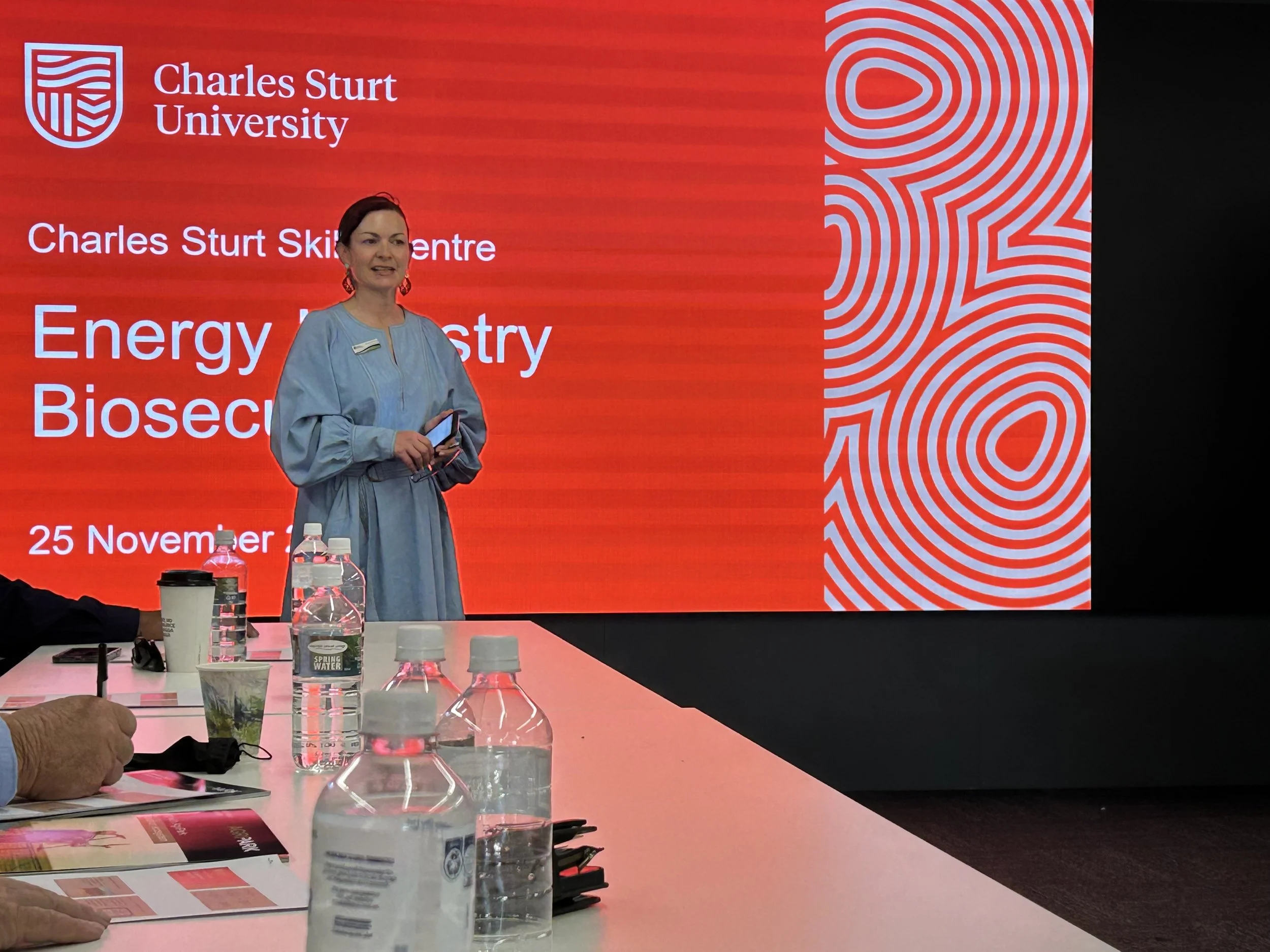
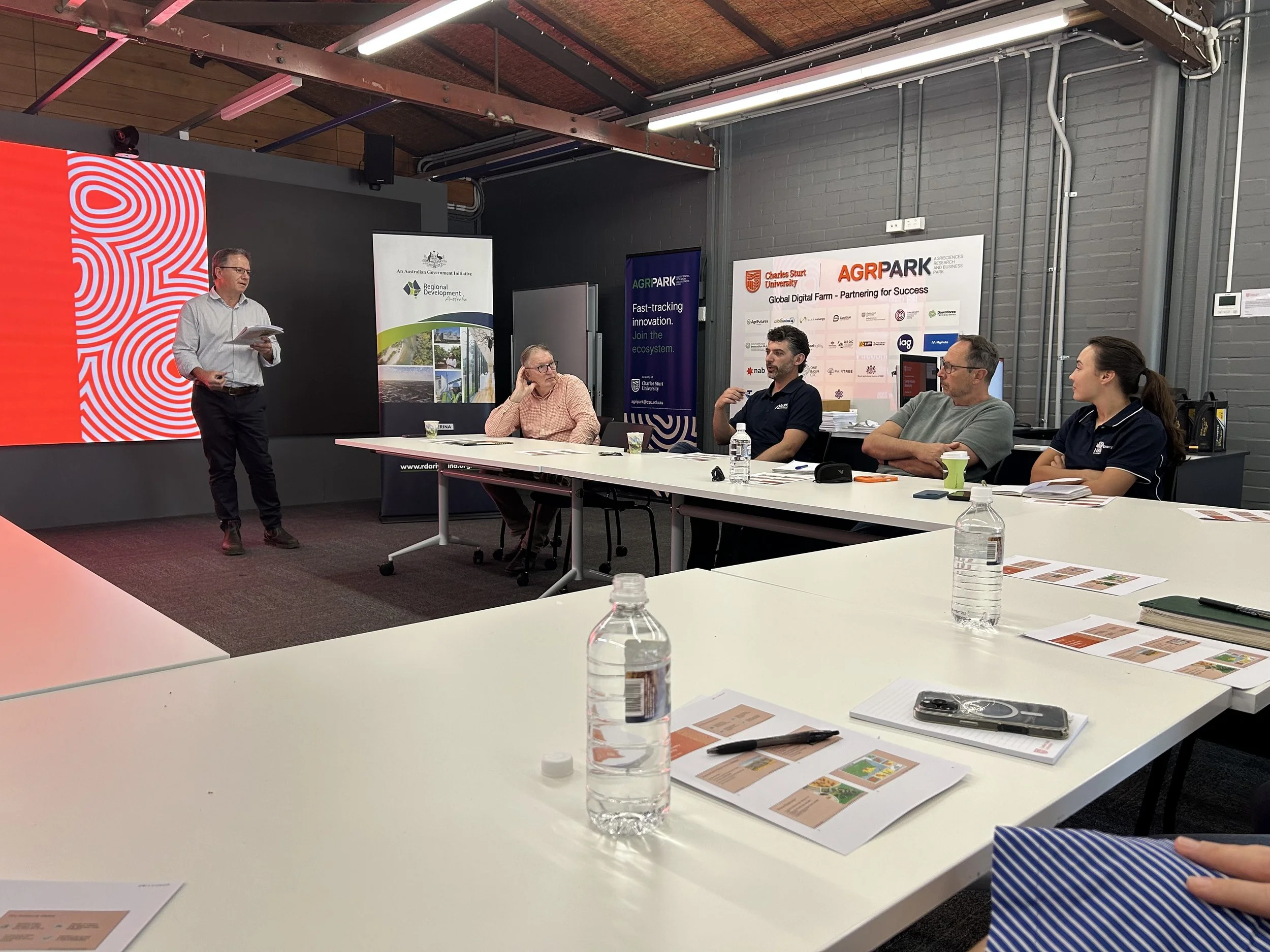
On 25 November 2025, Regional Development Australia (RDA) Riverina partnered with EnergyCo and Charles Sturt University to deliver the first Biosecurity Training for the Renewable Energy Industry at the AgriPark on Charles Sturt University’s Wagga Wagga Campus.
This initiative is a vital step in ensuring renewable energy projects in the South-West Renewable Energy Zone (REZ) meet stringent biosecurity standards while respecting the needs of local landholders.
Why Biosecurity Matters
As renewable energy projects expand across rural NSW, maintaining strong biosecurity practices is essential to protect agricultural land and livestock. The training addressed risks such as weed and pest spread, soil contamination, and vehicle hygiene—critical issues for developers working in farming communities.
About the Session
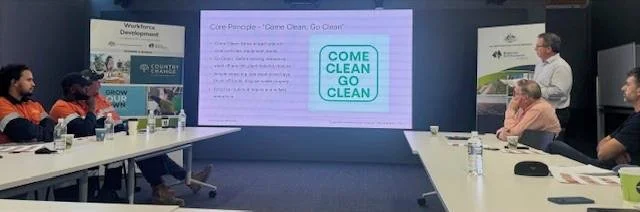
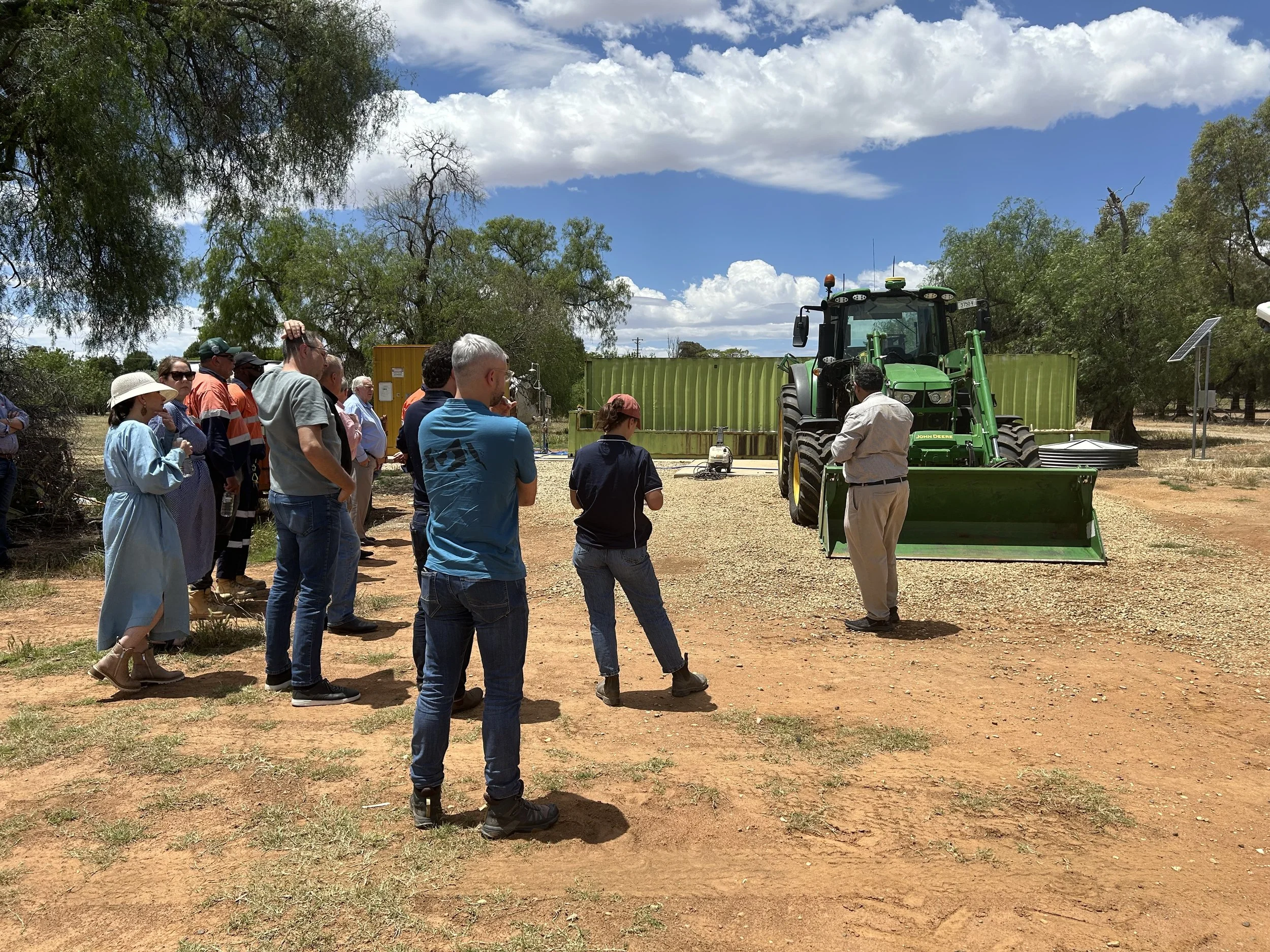
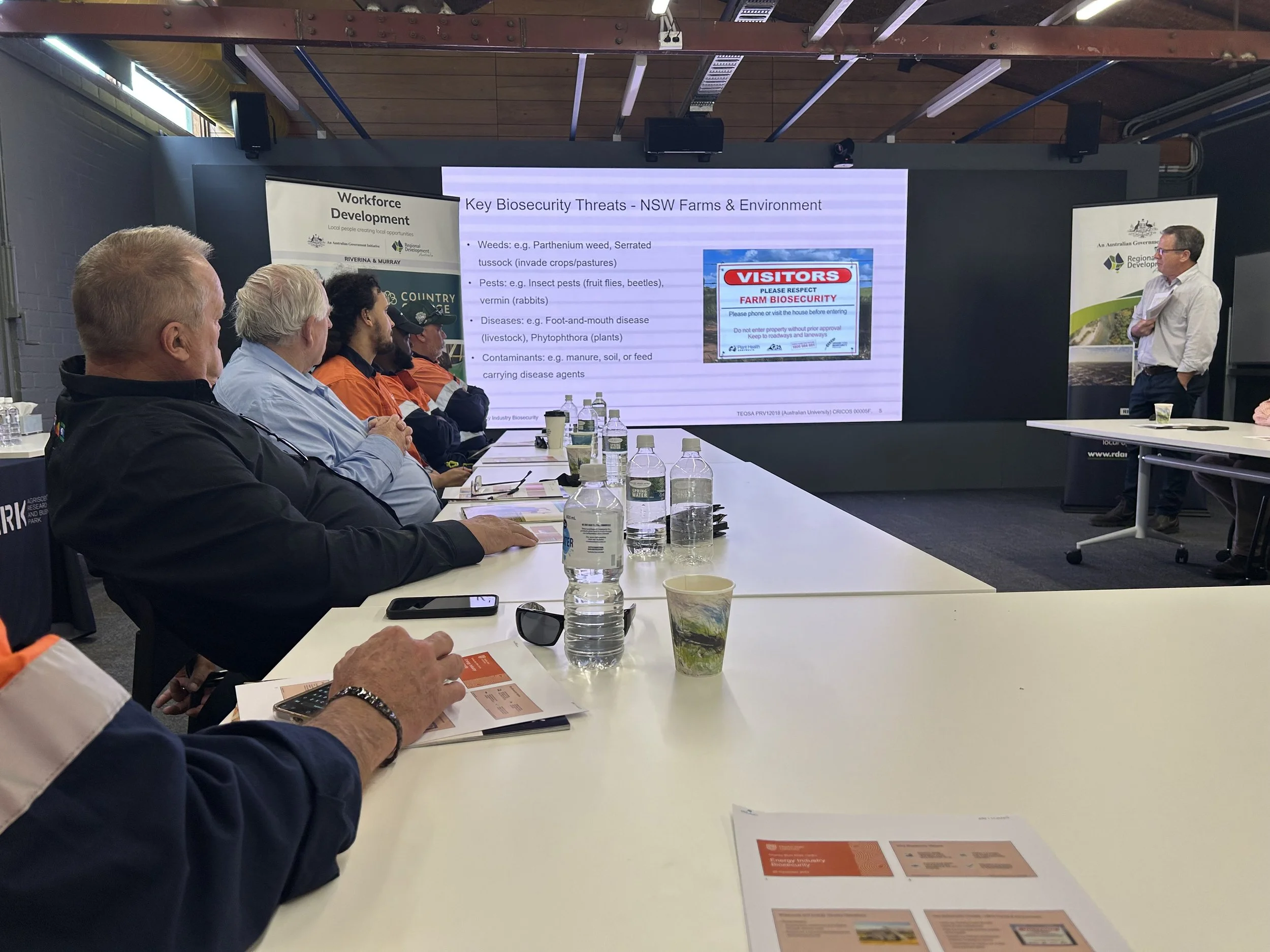
The one-day program combined classroom learning with a hands-on field component at Charles Sturt Farm. Participant explored:
Biosecurity principles and compliance with the NSW Biosecurity Act 2015.
Practical hygiene protocols for vehicles and machinery.
Soil and vegetation management strategies.
Landholder engagement and property access planning.
The session brought together participants from across the renewable energy and agricultural sectors, creating valuable opportunities for collaboration and knowledge sharing.
What Participants Said
“Loved the inter-industry discussion. I felt it helped with the social licence having Ag experience in the room.”
“Good presentation which elevated the importance of biosecurity risk to the local projects. It was good to have some Elecnor folk there who have some lived experiences and lessons they were able to pass on.”
“This will be especially useful for construction contractors.”
Looking Ahead
The next training session will be held in Hay early 2026, targeting major contractors responsible for constructing renewable projects. These workshops are part of a broader effort to unlock 3.56 GW of clean energy capacity, create thousands of jobs, and attract $17.8 billion in private investment to the South-West REZ.